
ALL POSTS
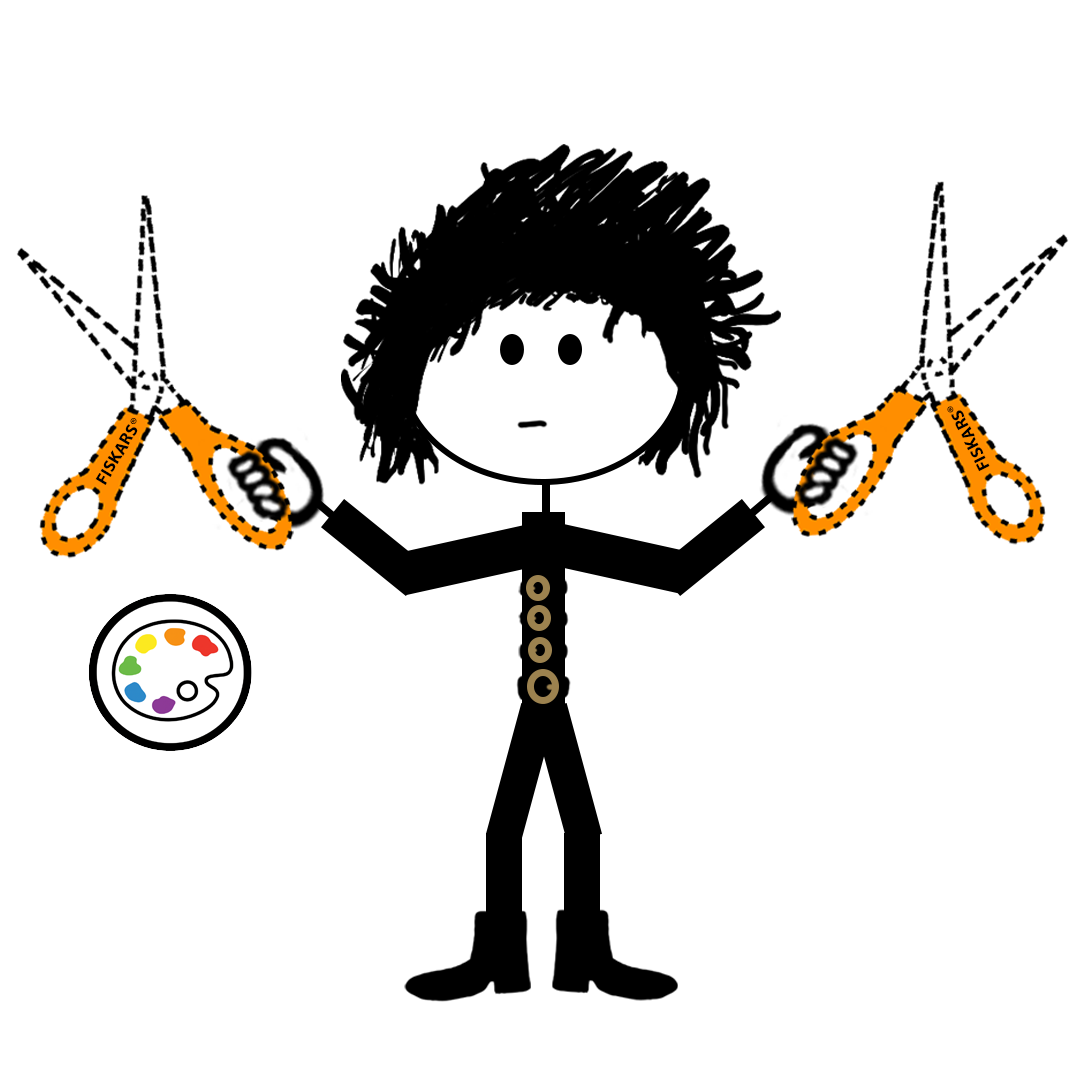
Fiskars Orange
In 1967, Fiskars created the first plastic-handled scissors. But why did they make the plastic handles orange? Well, according to Fiskars it was merely random.

Fiskars
Originating in the small village of Fiskars, Finland, Fiskars ironworks was founded in 1649. Almost 200 years later, in 1832, Fiskars started Finland’s first cutlery mill and began producing forks and scissors, in addition to knives. In 1883, Fiskars officially became a limited company and eighty years later released its most famous product: FISKARS brand scissors having orange plastic handles.
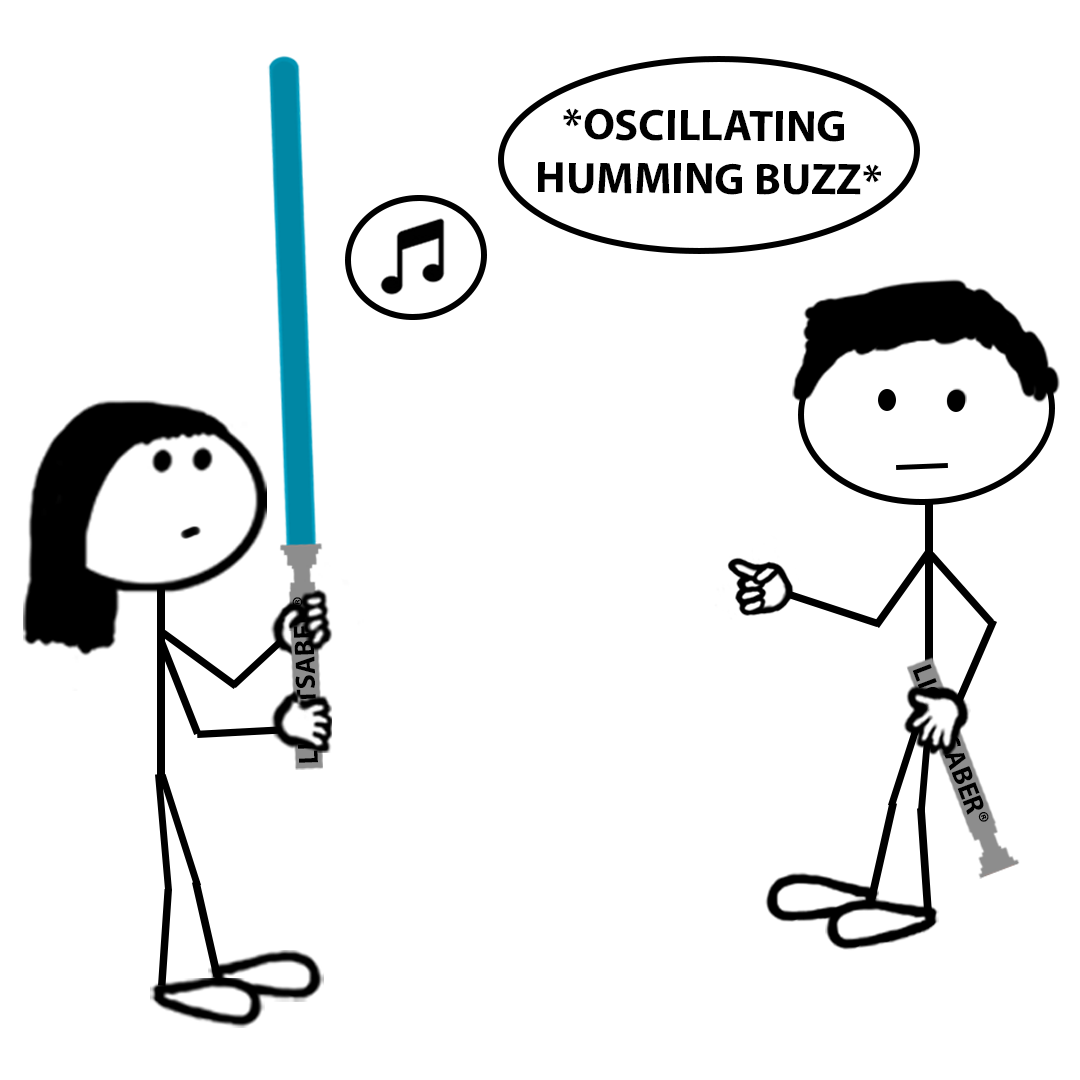
Lightsaber Sound
The iconic hum and clash of the Lightsaber® has transcended generations, captivating people of all ages. Whether it's youngsters reenacting epic battles in their backyard with sticks or fans of all ages at conventions with props, the distinctive Lightsaber Sound is a universal symbol of the Star Wars saga, sparking imagination and excitement worldwide.
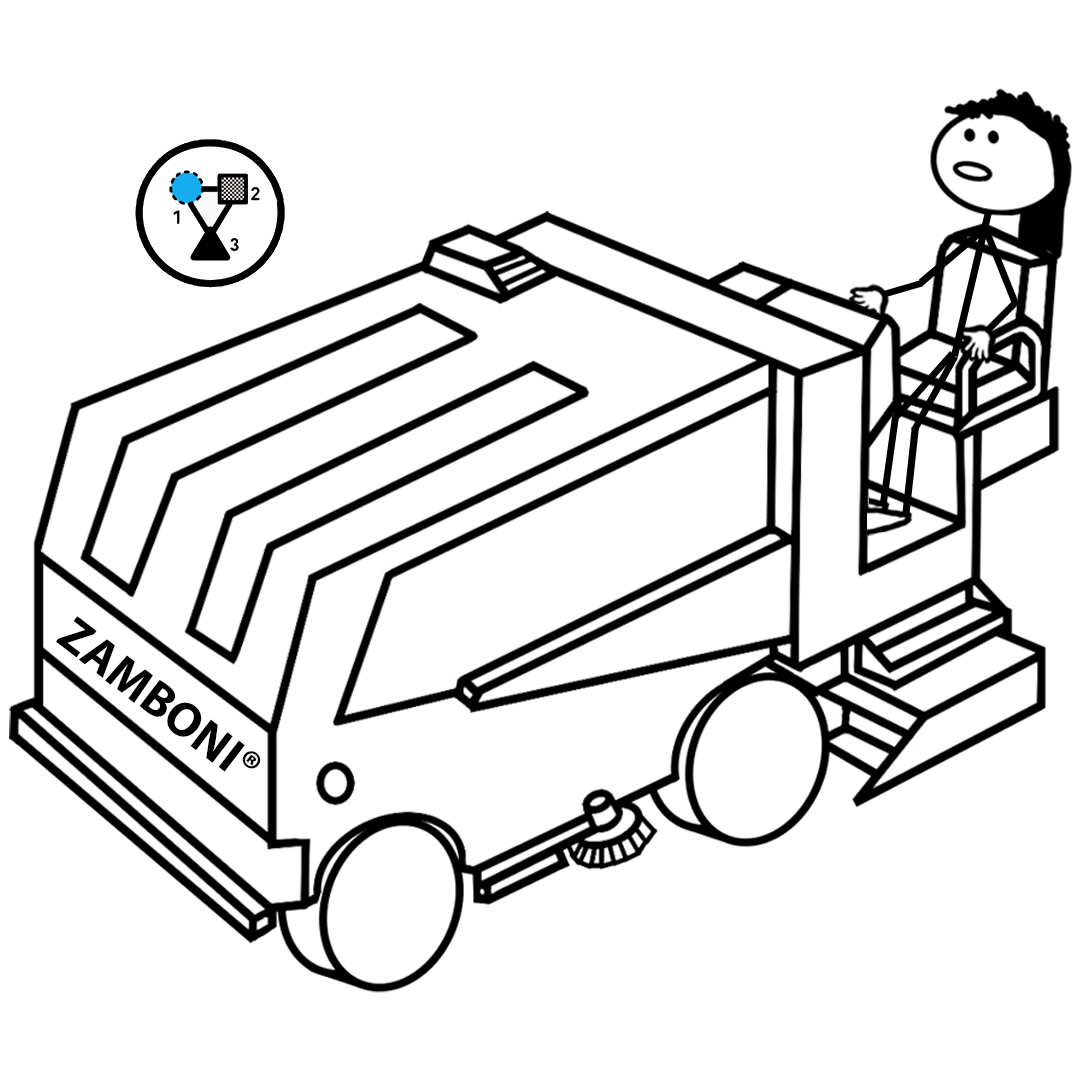
Zamboni Configuration
Zamboni® ice resurfacing machines have permeated popular culture, becoming iconic symbols in ice sports and entertainment. In fact, the configuration of a Zamboni® ice resurfacing machine is now a trademark. The look of the modern and iconic Zamboni® ice resurfacing machine dates back to the late 1970s.


Non-Traditional Trademarks
A "non-traditional" trademark refers to a unique and unconventional form of trademark that goes beyond the typical words, slogans, and logos commonly associated with branding. Non-traditional trademarks include elements like colors, sounds, three-dimensional shapes, and even scents.

BAND-AID
The Band-Aid adhesive bandage was invented in 1920 by Earle Dickson, a Johnson & Johnson employee. Earle was looking for a solution for his wife who frequently cut and burned herself while cooking. Combining adhesive tape and gauze, two other products from Johnson & Johnson, Earle created an adhesive bandage with an absorbent center that his wife could readily apply herself.

Traditional Trademarks
A "traditional" trademark refers to the conventional and well-recognized form of a trademark, which includes words, numerals, slogans, symbols, logos, and other distinctive elements used to identify and distinguish goods or services in commerce.

Rollerblade
Did you know that inline skates were actually invented prior to the “conventional” two-by-two roller skates seen at skating rinks across the country?

What’s A Trademark?
The average person encounters 100s if not 1000s of trademarks every day (potentially exaggerated). Quick, how many trademarks do you see in the above image? For something we encounter on a daily basis, what even is a trademark?

I Think I Understand IP, But Can You Give Me An Example?
While each type of intellectual property is different, in the real-world intellectual property works together to provide protection.

Jeep
In 1940 as World War II raged on, the US Army solicited bids from automakers for a new "light reconnaissance vehicle." Only three automakers responded and Willys-Overland was awarded the contract for a prototype nicknamed the "Quad." How did the “Quad” become the Jeep brand known today?
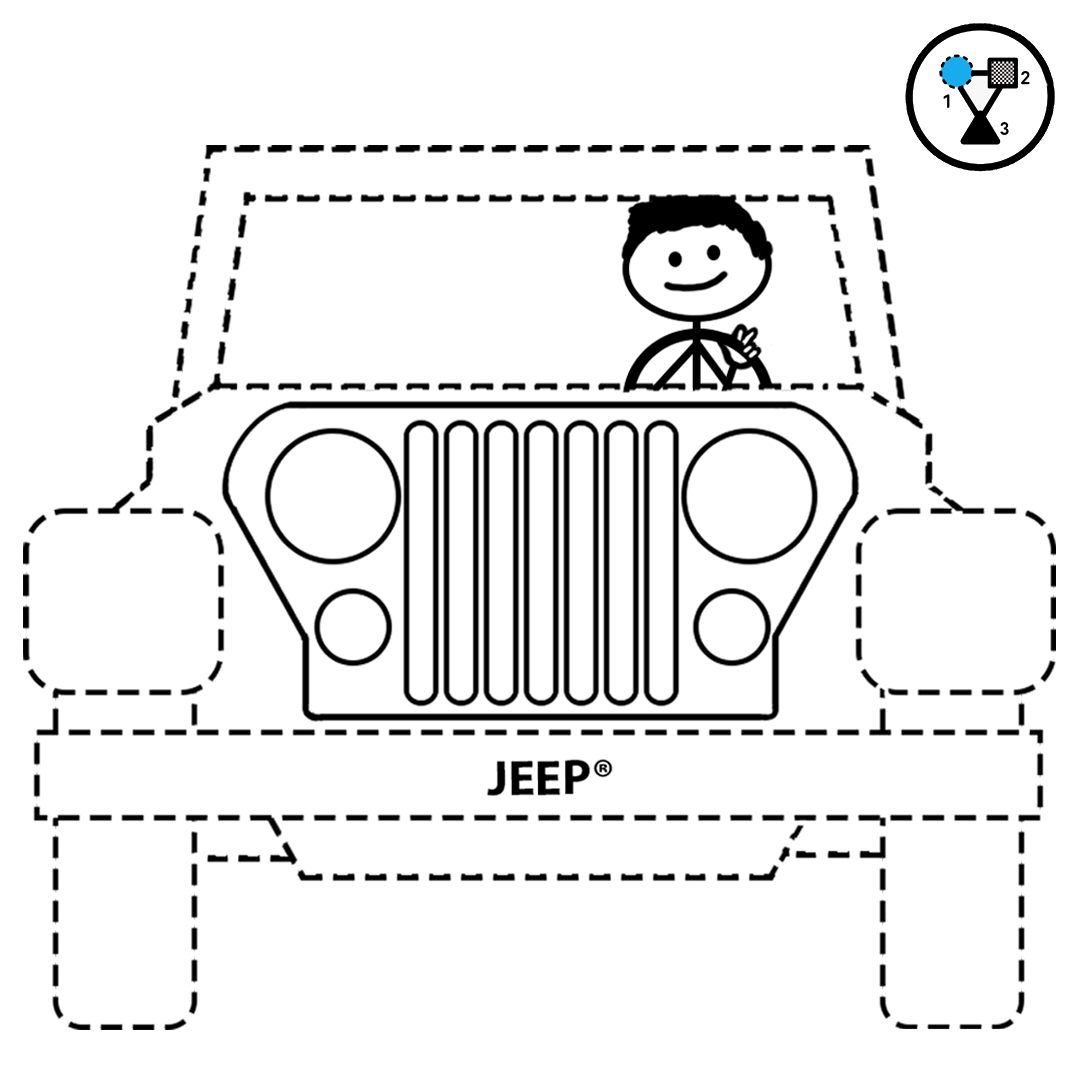
Jeep Seven-Slot Grille
One of the most recognizable features on a JEEP® brand vehicle is the iconic seven-slot grille, usually paired with rounded headlamps. Similar to the origin of the “JEEP” name, there is some mystery surrounding how the seven-slot grille came to be.


Play-Doh Scent
The smell that instantly brings you back to childhood (or parenthood). Anyone who has played with, or cleaned up, PLAY-DOH® putty can still remember the smell of the putty in your hands, both before and long-after touching it.

5 More Key Facts About Trademarks
Trademark law can be complicated, but the basics don’t have to be. Here are 5 more key facts about trademarks.

5 Key Facts About Trademarks
Trademark law can be complicated, but the basics don’t have to be. Here are 5 key facts about trademarks.

Why Should I Care About Trademarks?
Intellectual property, including trademarks, help drive innovation, create jobs, and spur on the worldwide economy. Trademarks are important for everyone, from the everyday small business owners to the largest corporations.

“Intellectual” Property? Sounds Made Up.
What is intellectual property? Simply put, intellectual property protects innovation. The “intellectual” in intellectual property means just that: intellectual property protects intangible products and ideas of the human mind.

Introduction
That’s a Trademark is an educational dive into the known, unknown, and curious world of trademarks.