
5 Key Facts About Trademarks
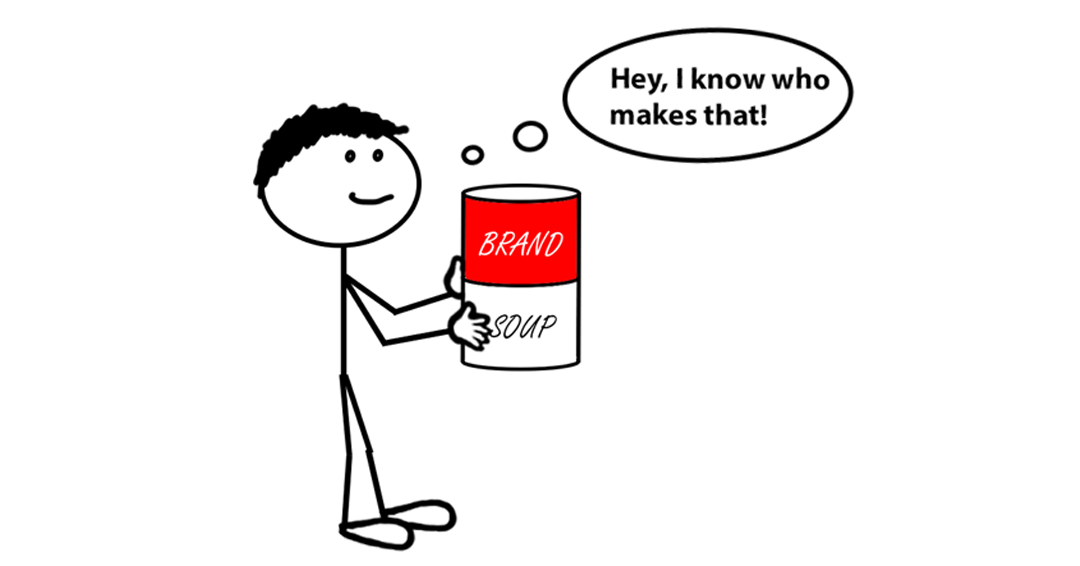
1. Source Identifying: A trademark gives a product or service a unique identity, making it easily recognizable and distinguishing it from competitors. Trademarks also prevent others from using similar marks that could confuse consumers about the source of goods or services. [1]
2. Must be distinctive. Terms that are generically used as a type of products or services cannot be a trademark, as they are commonly used and not distinctive. They are incapable of identifying the source of the trademark.
3. Words, Symbols, and More: Trademarks can include “traditional” marks like words, phrases, logos, and symbols, and “nontraditional” marks like colors, sounds, product shapes, and even scents.
4. Specific Good or Service. A trademark grants exclusive rights to use the trademark in connection with specific goods or services. Typically, a trademark does not grant exclusive rights to the mark for everything.
5. Brands, Not Things. Trademarks are brands, not a type of product or service, nor a thing. When used in a sentence, a trademark should be used as an adjective: they describe the source/brand behind a generic noun. [2]
Want to learn more about trademarks? Check out our posts on Trademark Genericide, Trade Dress (Non-Traditional), Motion (Non-Traditional) Marks, and Certification Marks.
Copyright © 2024 by Illustrated IP, LLC. All rights reserved.
The “Campbell’s Soup Color Configuration” is a registered trademark owned by CSC BRANDS LP (Campbell Soup Company). See, for example, U.S. Trademark Registration Nos. 48,664, 1,544,679, and 2,066,673.
[1] Fact Sheets: Introduction to Trademarks, Learn the Language, International Trademark Association (INTA), last updated November 10, 2020, and available at https://www.inta.org/fact-sheets/learn-the-language/.
[2] Fact Sheets: Introduction to Trademarks, Trademark Use, International Trademark Association (INTA), last updated April 19, 2021, and available at https://www.inta.org/fact-sheets/trademark-use/.