
Nintendo Home Consoles
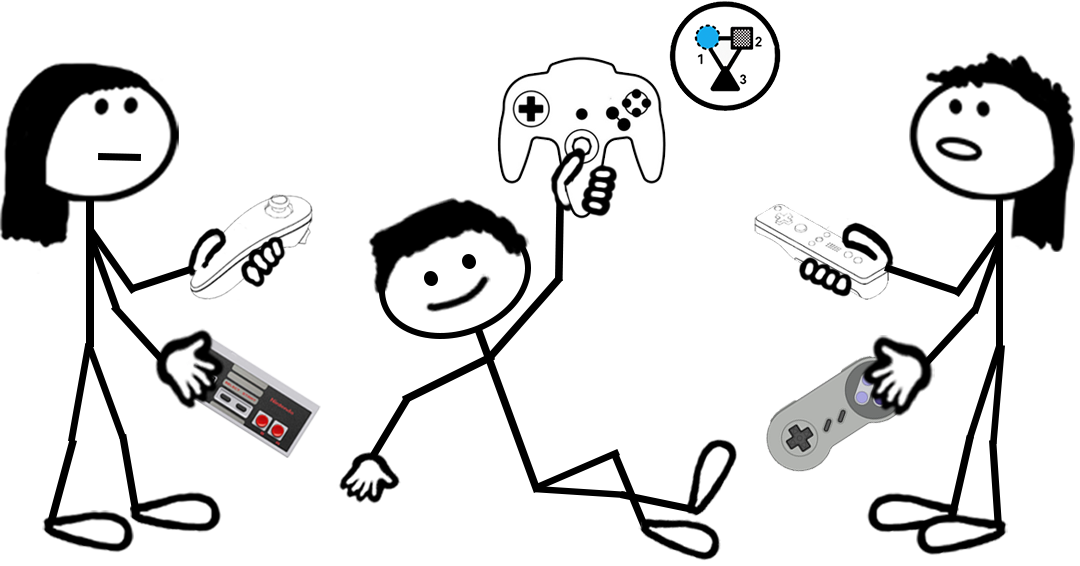
Trademark Topic: Nintendo Home Consoles
First US Release: October 18, 1985
Current Owner: NINTENDO OF AMERICA INC. [1]
Trademark Type: non-traditional trademark; trade dress; configuration mark
Brief (and likely incomplete) History [2]:
Nintendo has a long and storied history (first starting with playing cards!) and has released some of the most famous home consoles and handheld consoles in history. Let’s take a look at major releases of Nintendo home consoles (and some non-traditional trademark registrations!).
Nintendo Color TV-Game (1977)
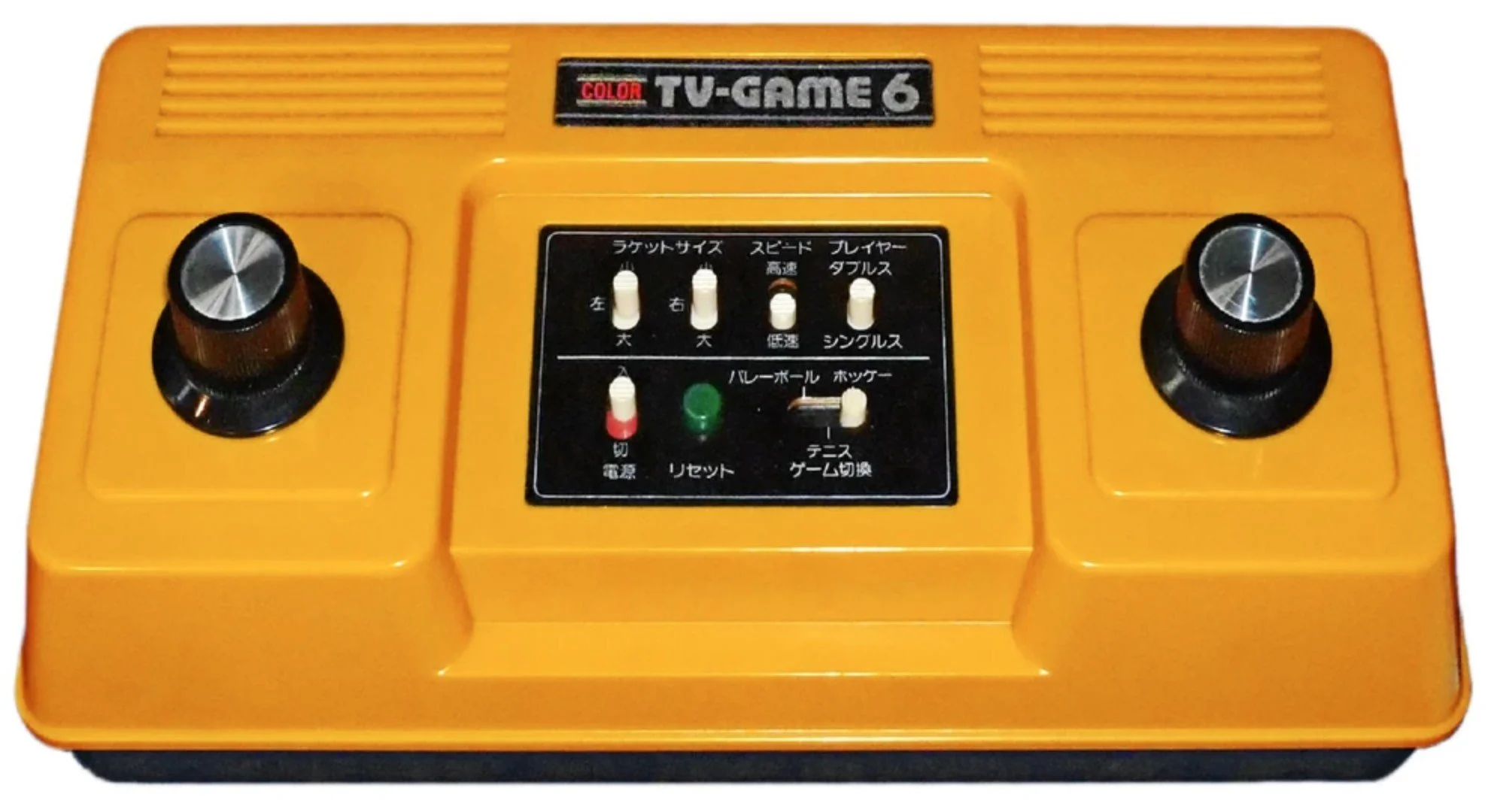
Did you know that Nintendo’s home console journey did not begin with the Nintendo Entertainment System (NES) (known as the Famicom in Japan)? Nintendo released its first home console in Japan on June 1, 1977: the Color TV-Game. This series of self-contained consoles featured built-in games, most of which were simple Pong-like titles. Developed in partnership with Mitsubishi, the Color TV-Game models were only available in Japan but sold millions of units, establishing Nintendo’s early reputation as an innovative tech company.
Nintendo Famicom (1983)
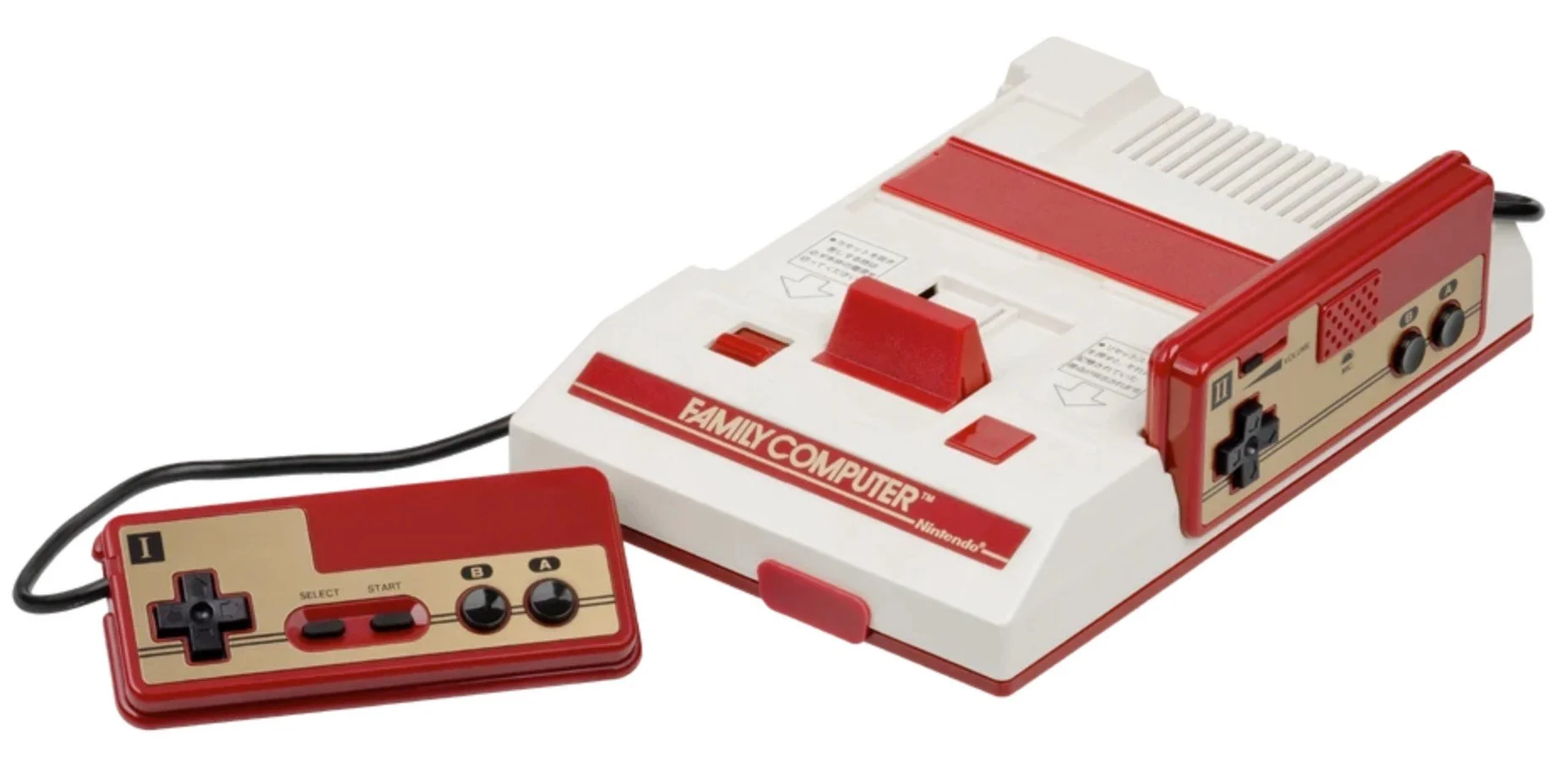
The breakthrough began in Japan with the Famicom (short for “Family Computer”), released on July 15, 1983. Nintendo’s first cartridge-based home console was simple by design, with a compact body and controllers built around the now-familiar D-pad plus A and B buttons. It went on to sell 19.35 million units in Japan but quickly became overshadowed by its US counterpart.
Nintendo Entertainment System (NES) (1985)
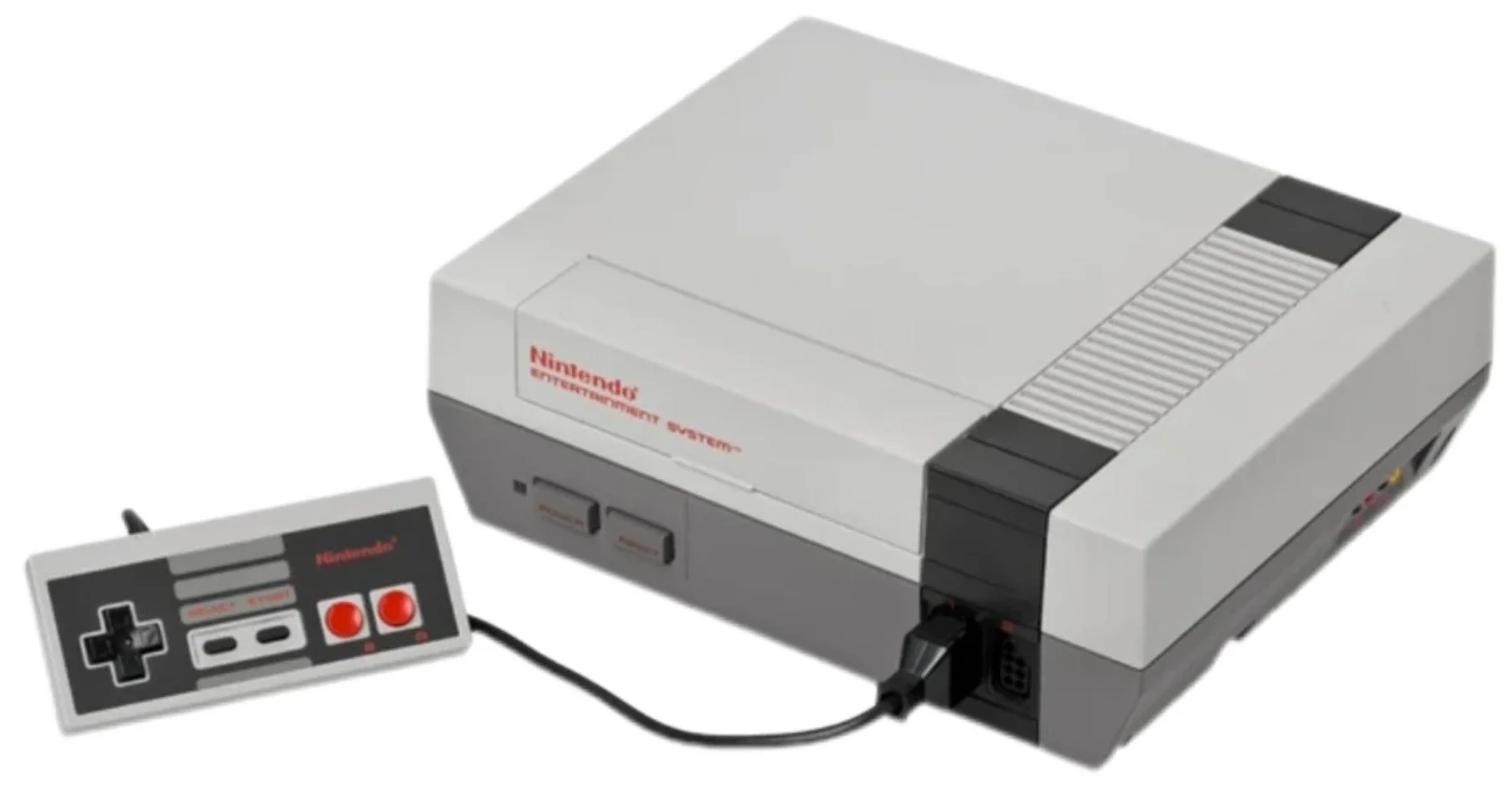
Nintendo brought the Famicom success to North America on October 18, 1985, but the company knew it could not sell the machine like just another video game console. With the U.S. market still reeling from the 1983 video game crash, Nintendo positioned the NES as an “entertainment system,” complete with R.O.B., a robotic accessory designed to make the hardware feel fresh and different. The strategy worked: the NES helped rebuild consumer confidence in home gaming, turned Nintendo into a household name in the United States, and helped make franchises like Super Mario Bros. and The Legend of Zelda into cultural landmarks. The Famicom / NES platform sold over 61.91 million hardware units over its lifetime, and an astounding 500+ million software units!
Super Nintendo Entertainment System (SNES) (1991)
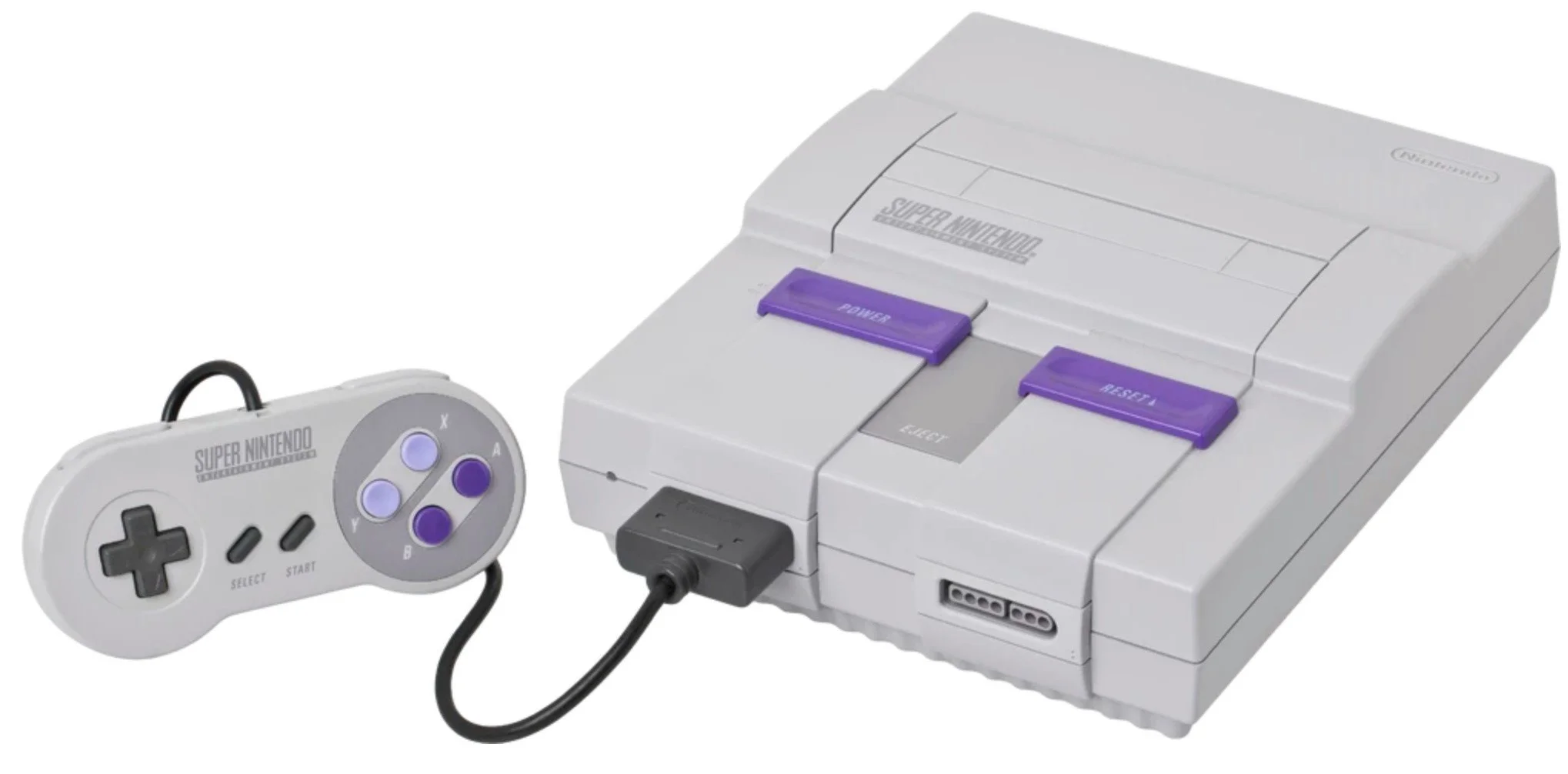
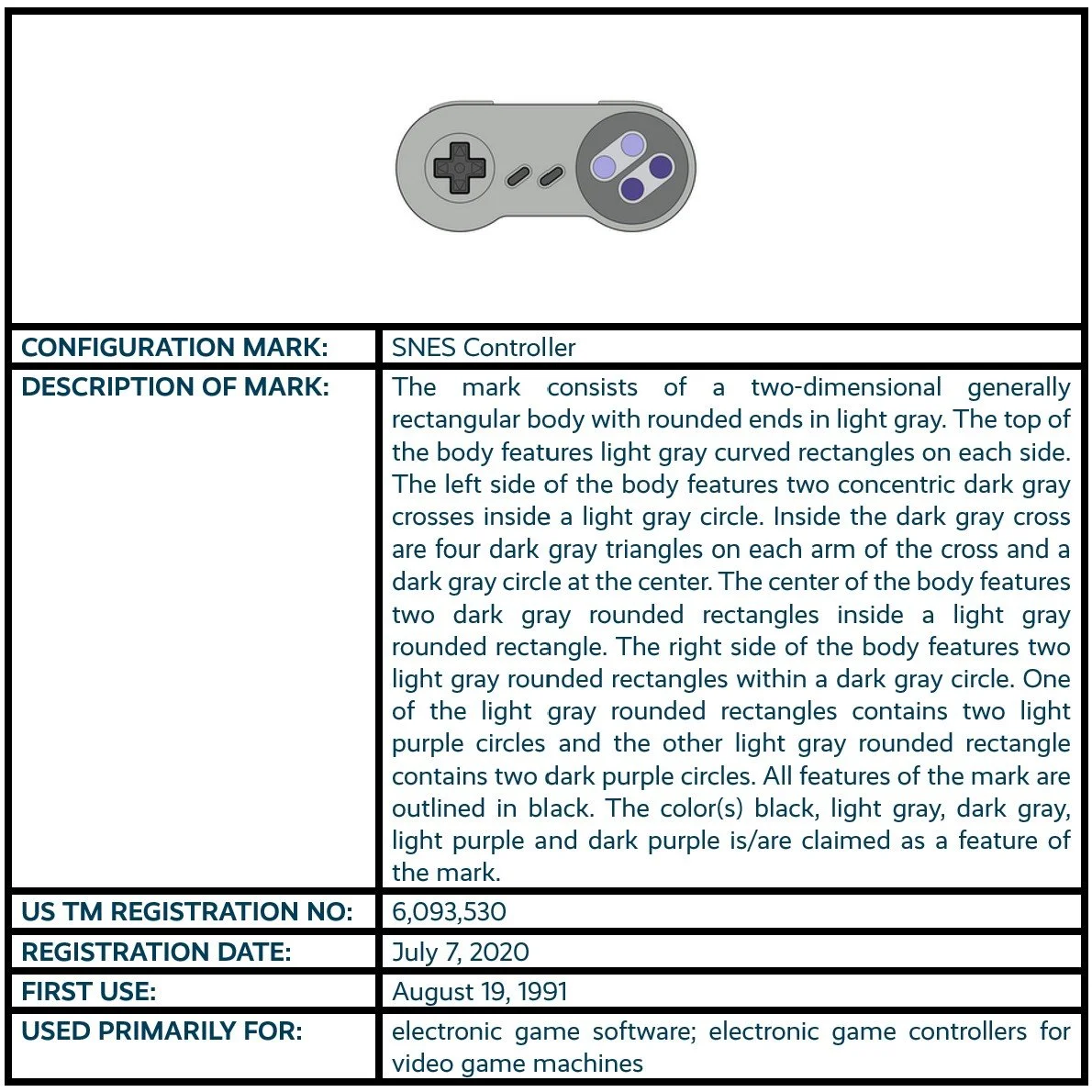
Nintendo built on that momentum with the Super Nintendo (SNES) in 1991, and this time the hook was power. Its famous “Mode 7” graphics could twist and scale flat images into pseudo-3D scenes, which made games like Super Mario Kart and F-Zero feel futuristic at the time. The SNES sold 49.10 million units worldwide and turned Nintendo’s 16-bit era into one of the most fondly remembered runs in video-game history.
Nintendo 64 (N64) (1996)
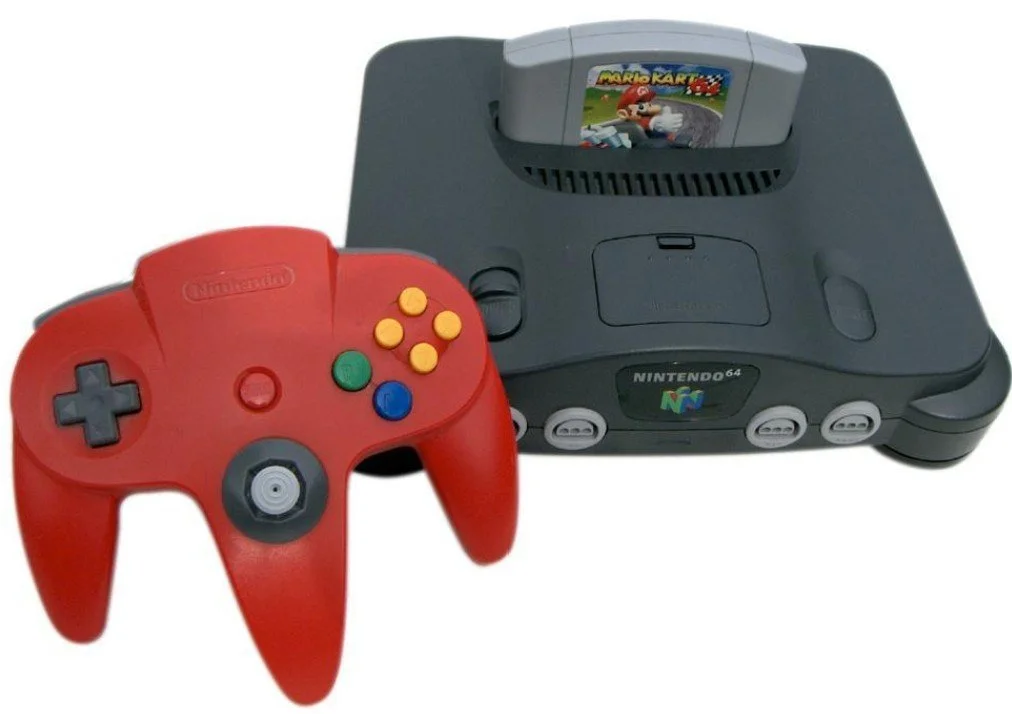
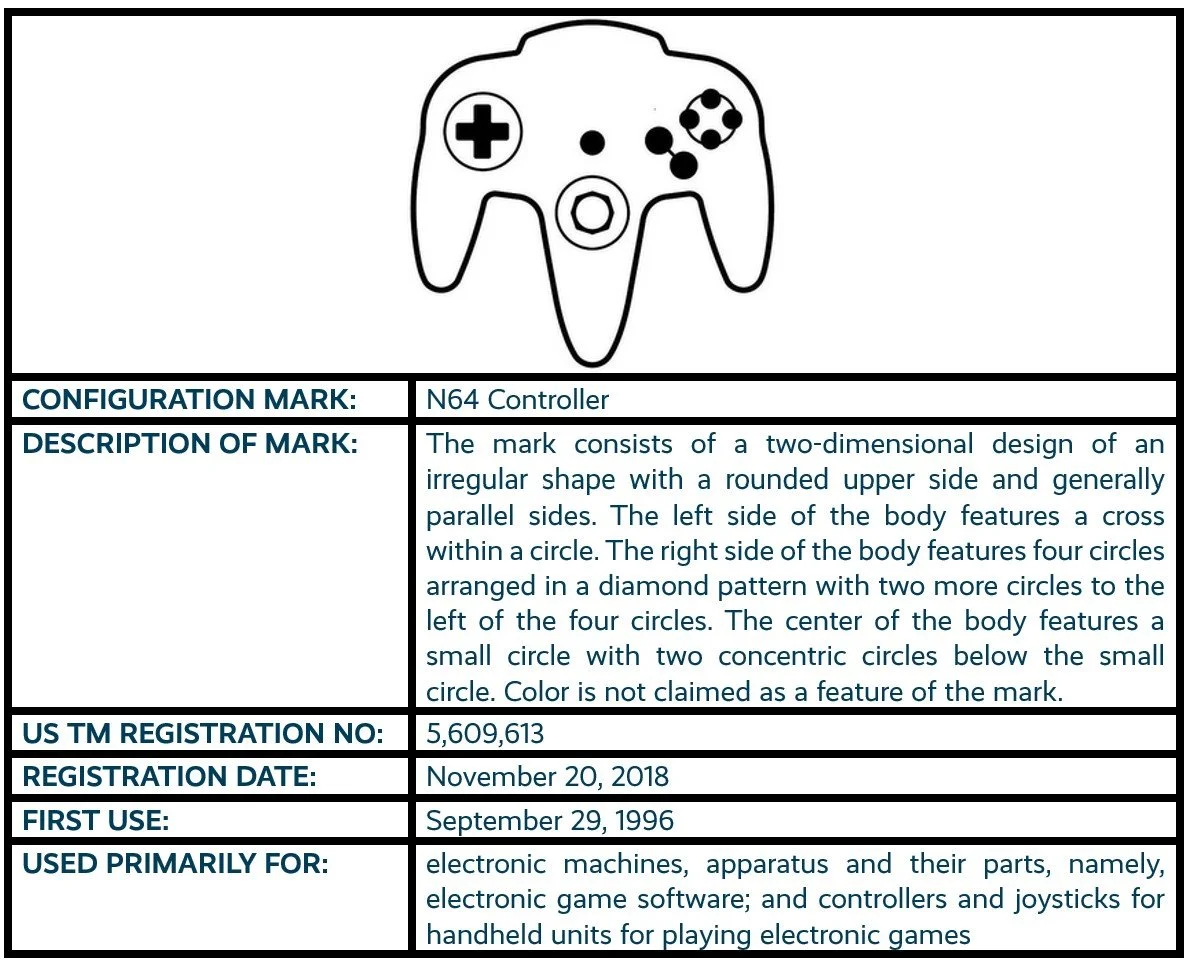
Nintendo kept the streak going with the Nintendo 64 in 1996, a console 100% built for the jump to 3D gameplay. Its controller’s analog stick gave players a level of movement that felt dramatically more natural than the old tap-tap-tap of the D-pad, which mattered a lot once games started asking players to run, aim, and explore in full 3D worlds. The system sold 32.93 million units worldwide and helped drag Nintendo’s biggest characters into a new dimension.
Nintendo GameCube (2001)
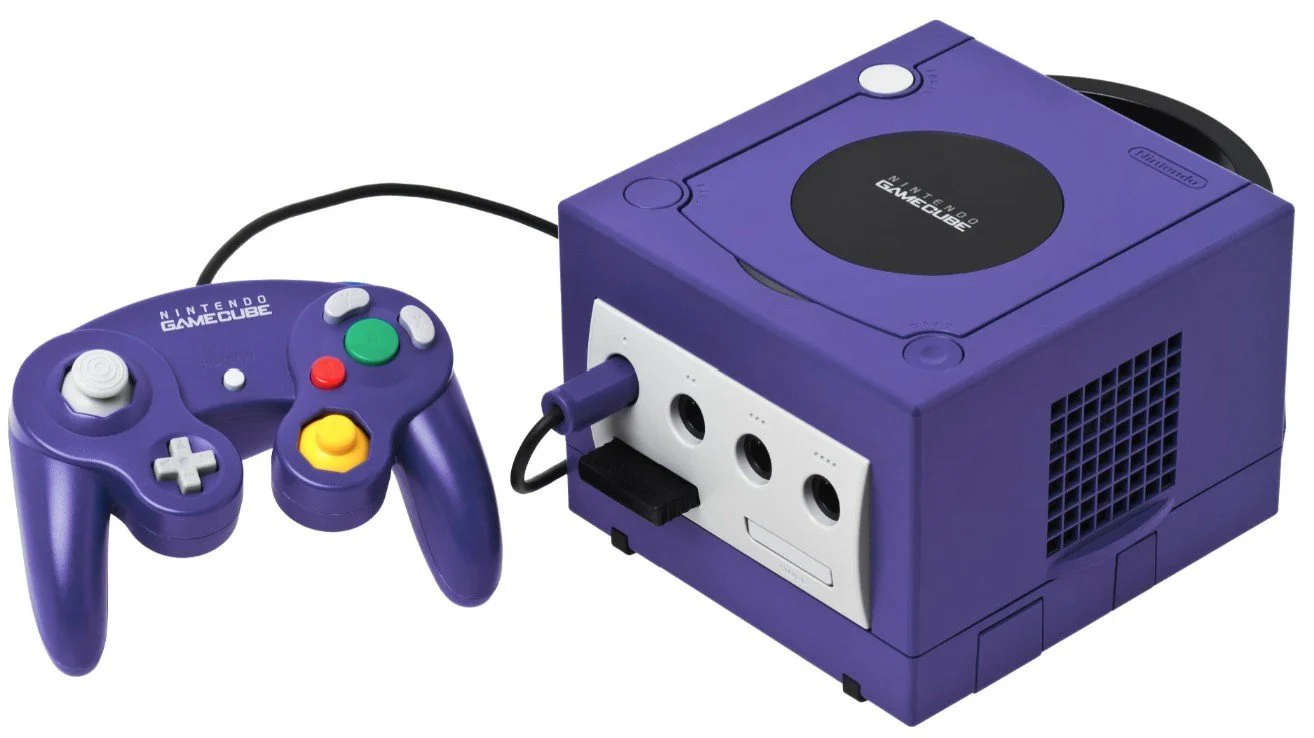
The GameCube followed in 2001 with a massively different look. The little cube with a built-in handle looked more like a lunchbox than a machine built for console gameplay, and it also marked Nintendo’s shift from cartridges to optical discs for home systems. It sold 21.74 million units worldwide, which was modest by Nintendo standards, but the console itself aged far better, thanks to games like Super Smash Bros. Melee and Luigi’s Mansion that never really left the conversation.
Nintendo Wii (2006)
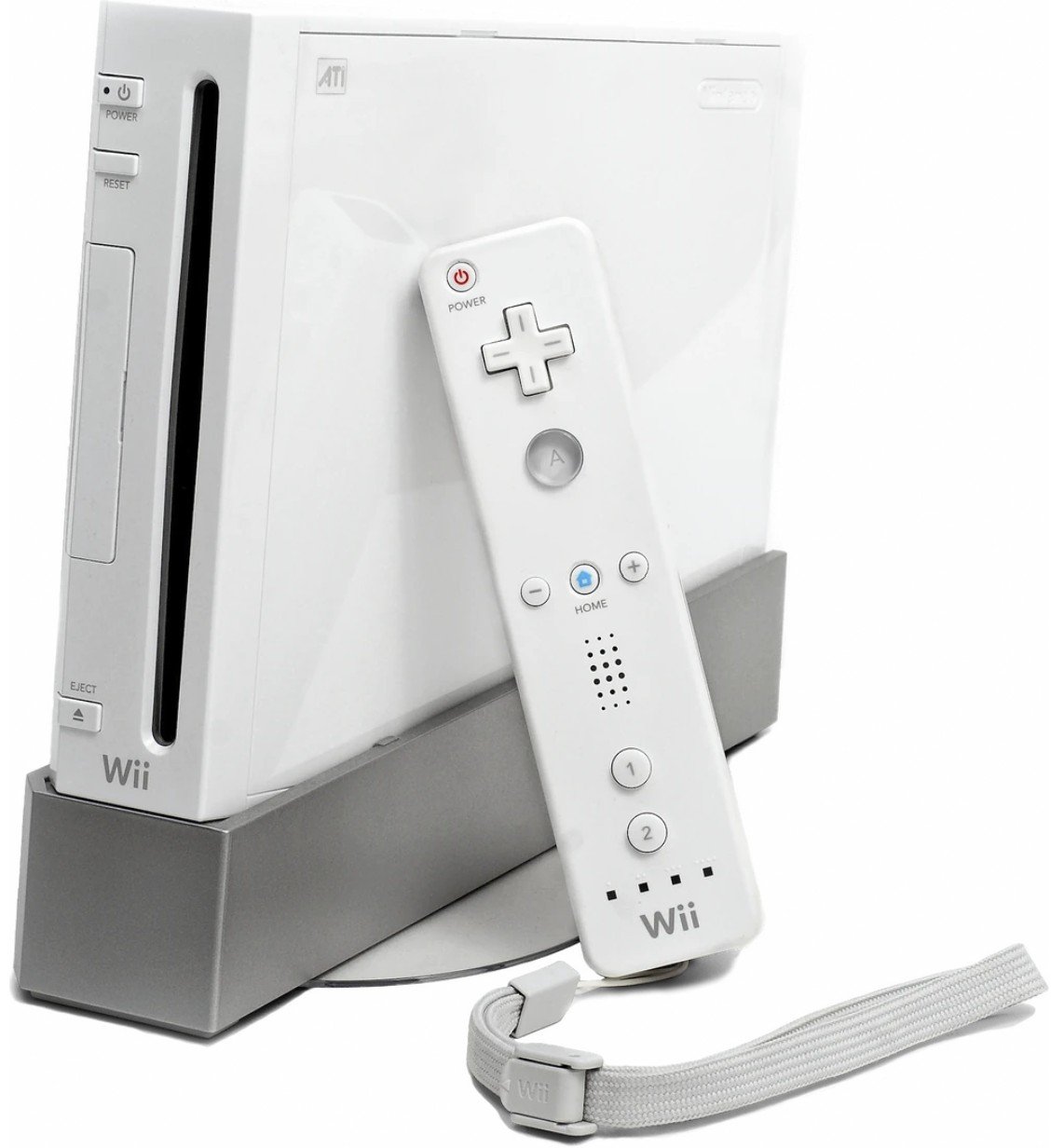
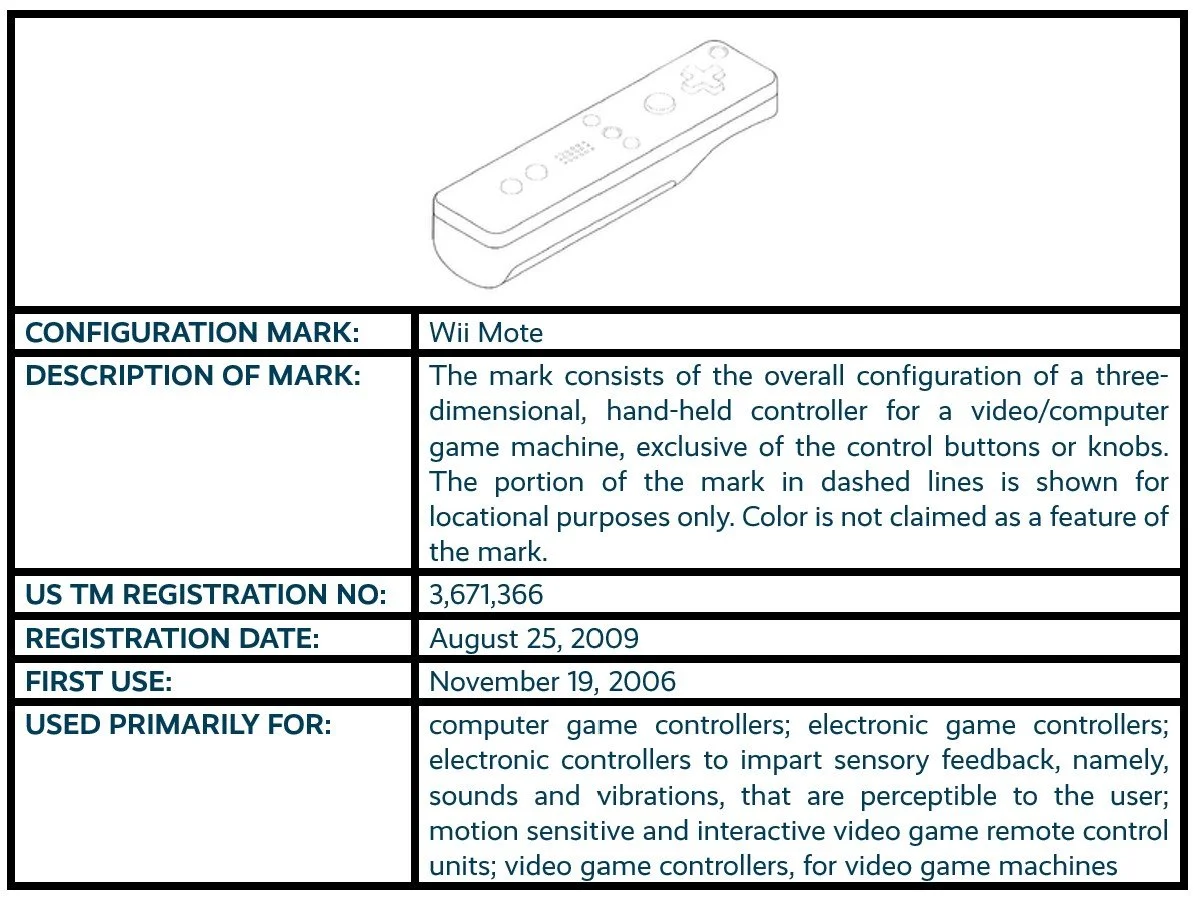
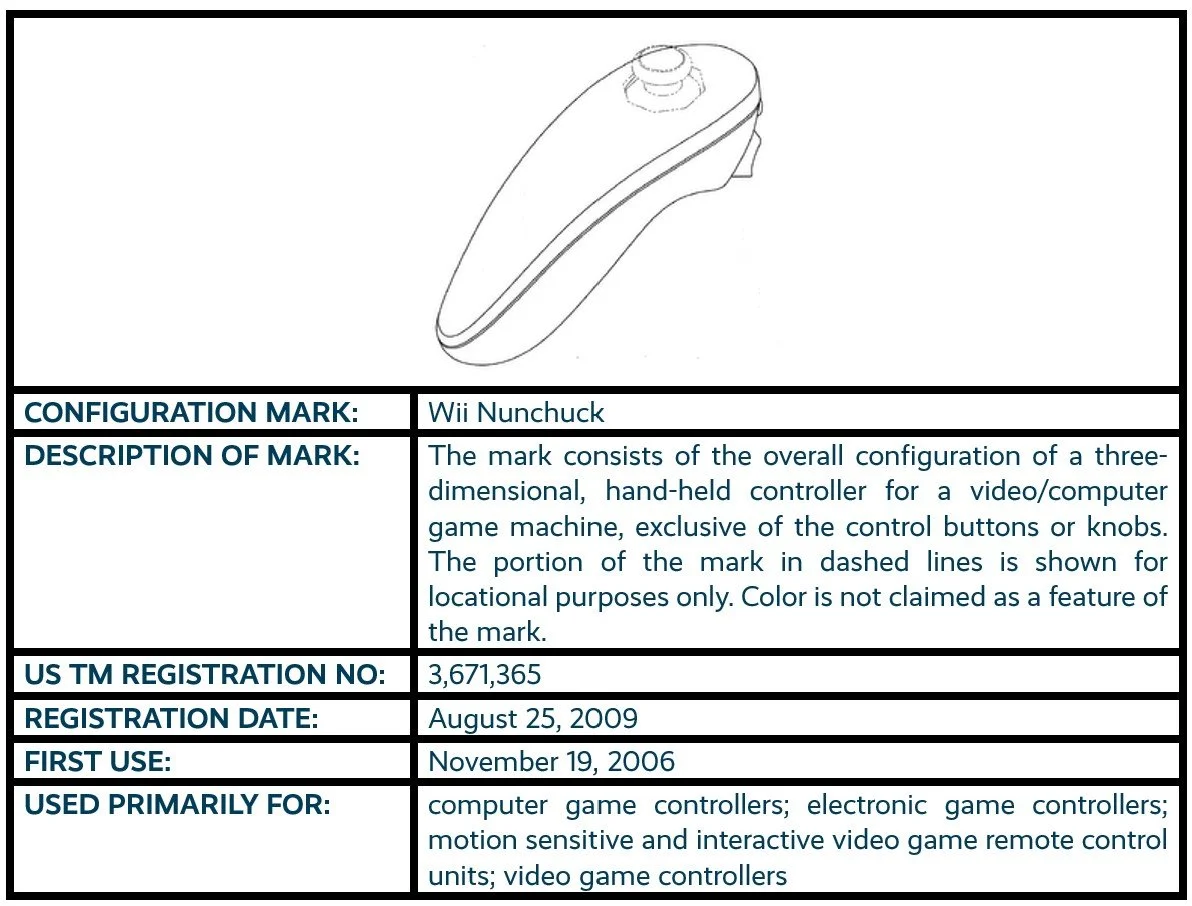
After the modest success of the GameCube, coupled with the massive success of the PlayStation and rising competitor in the Xbox, Nintendo decided to change gears and target the everyday casual gamer. Enter the Wii in 2006, where Nintendo stopped trying to match everyone on specs and instead changed how people played. The Wii Remote’s built-in motion sensor let players swing, point, bowl, box, and flail their way through games in a way that felt instantly understandable, even to people who had never touched a controller before. That gamble blew up in the best possible way: the Wii sold 101.63 million units worldwide and turned living rooms, retirement homes, and family parties into Nintendo territory.
Nintendo Wii U (2012)
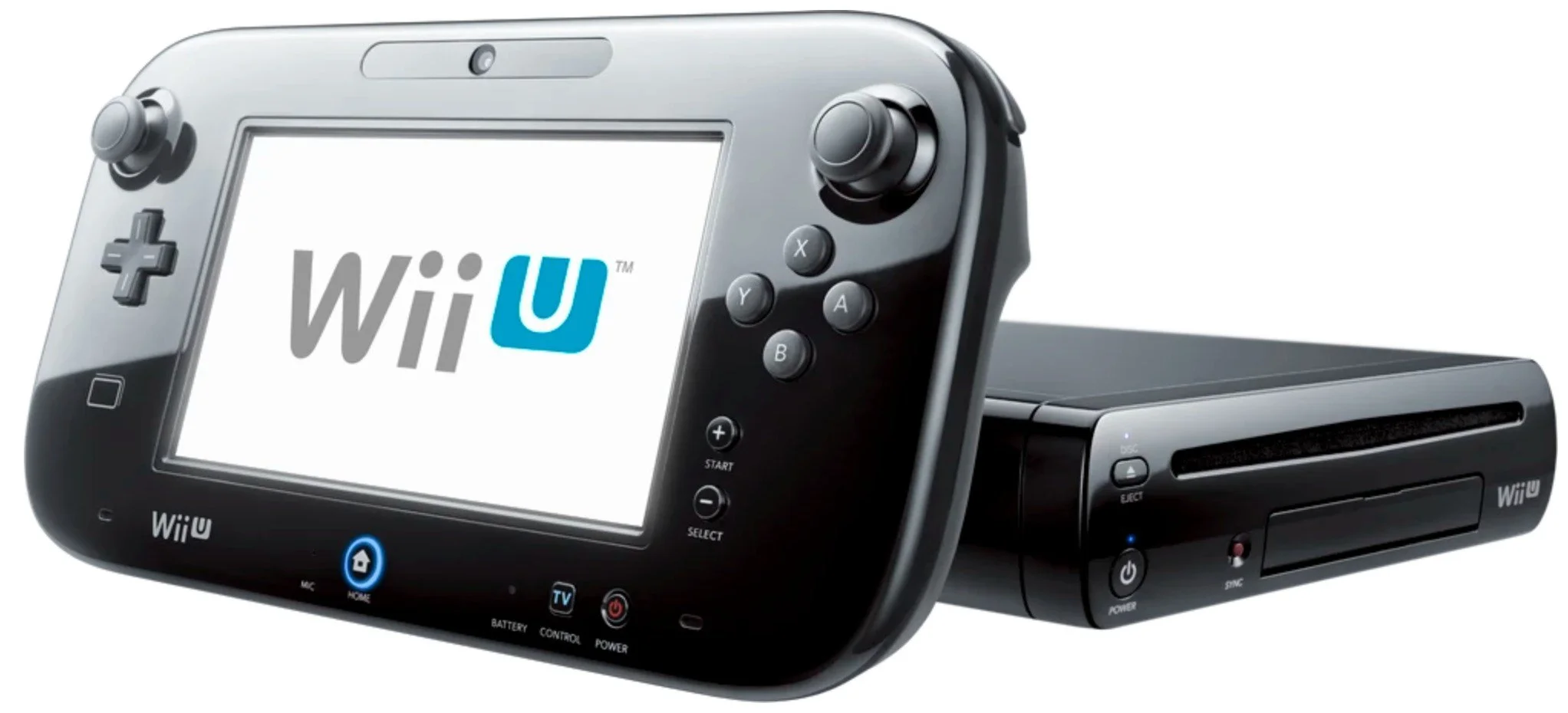
After the massive success of the Wii, Nintendo decided to keep experimenting: the Wii U arrived in 2012 with a genuinely interesting idea but a much messier result. Nintendo’s first HD home console centered on the Wii U GamePad, whose built-in screen created dual-screen play and opened the door to off-TV gaming, asymmetrical multiplayer, and new ways to juggle information during play. It was inventive, but consumers never fully bought into the pitch, and the system finished with just 13.56 million units sold worldwide.
Nintendo Switch (2017)
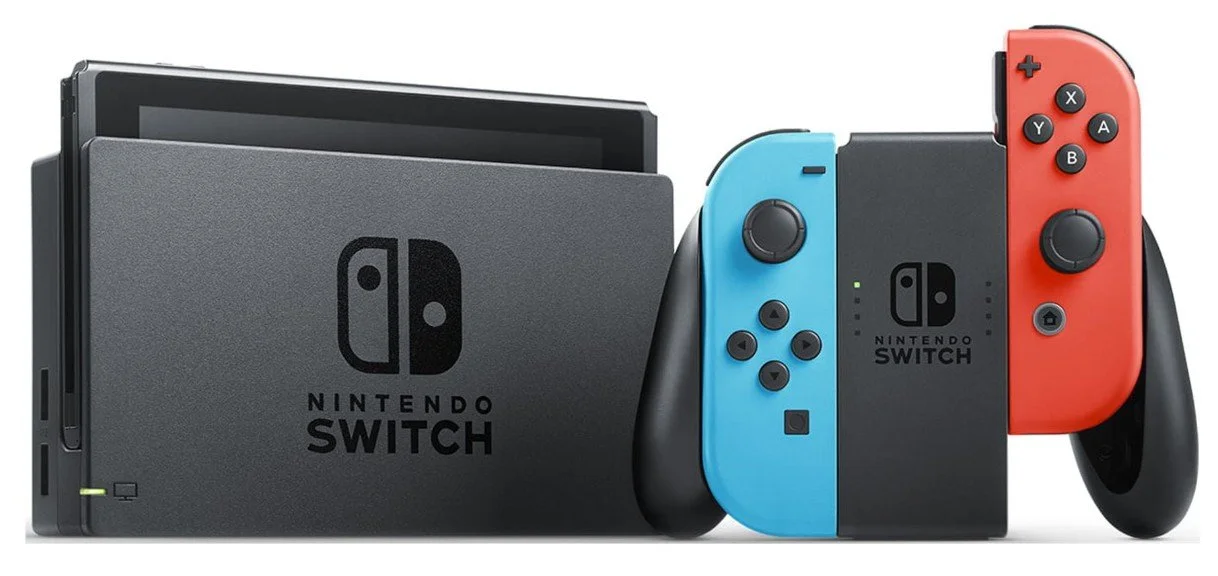
Redemption came in 2017 with the Nintendo Switch, which took one of Nintendo’s best instincts, weird hardware experimentation, and married it to a dead-simple idea: one machine, three ways to play. Home console on the TV, handheld on the go, tabletop when needed. That clarity hit like a lightning bolt. By December 31, 2025, the Switch had sold 155.37 million units worldwide, making it not just a comeback story, but one of the most successful game systems ever made.
Nintendo Switch 2 (2025)
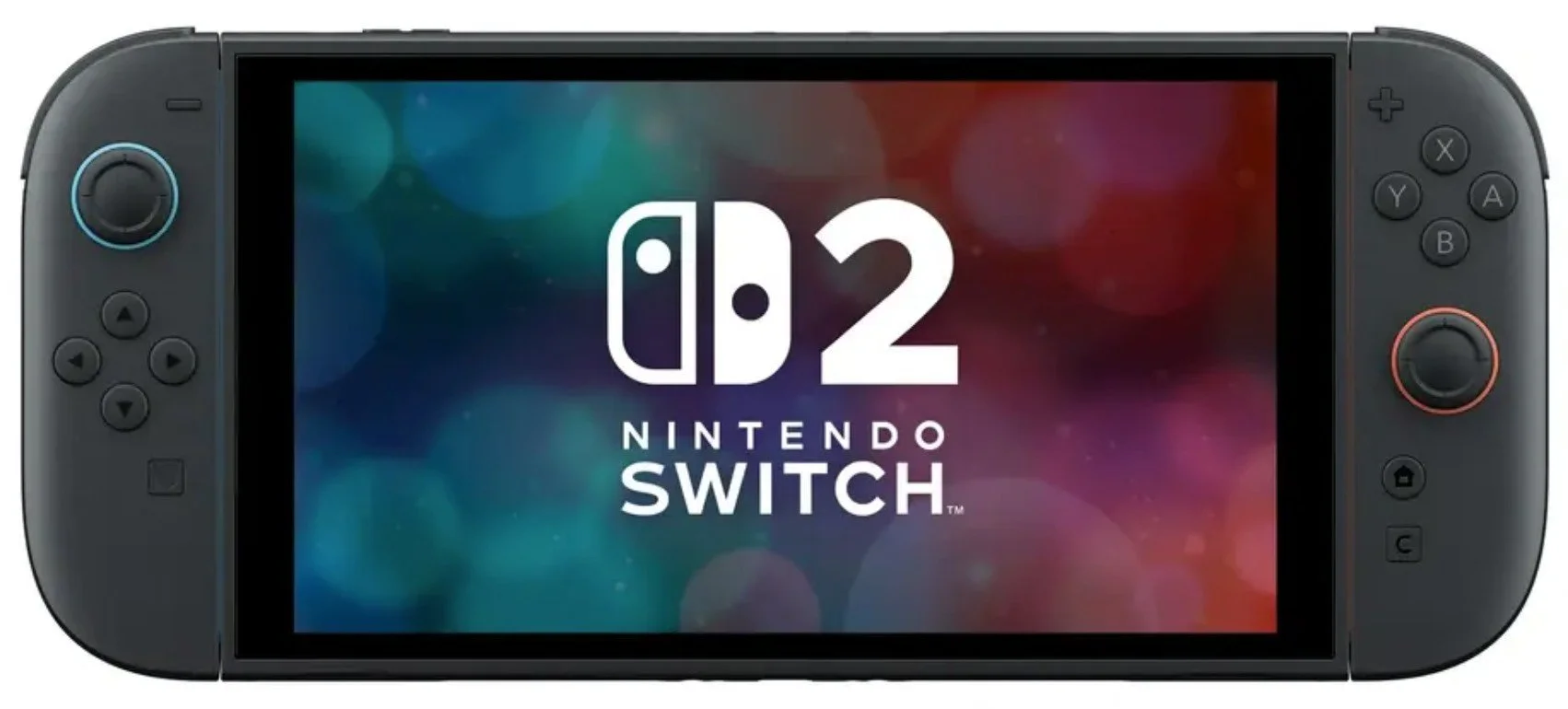
Nintendo began a new chapter with the Switch 2 on June 5, 2025, and for the first time in two decades it finally decided not to reinvent the formula. Instead, Nintendo doubled down on what worked with the Switch. Nintendo gave it a larger 7.9-inch screen, support for HDR and up to 120 fps, 4K output through the dock, magnetic Joy-Con 2 controllers that can even function like a mouse, and built-in GameChat features. By December 31, 2025, it had already sold 17.37 million units worldwide, which is a strong sign that Nintendo’s hybrid era is nowhere close to over.
Nintendo Console Controller Trademarks
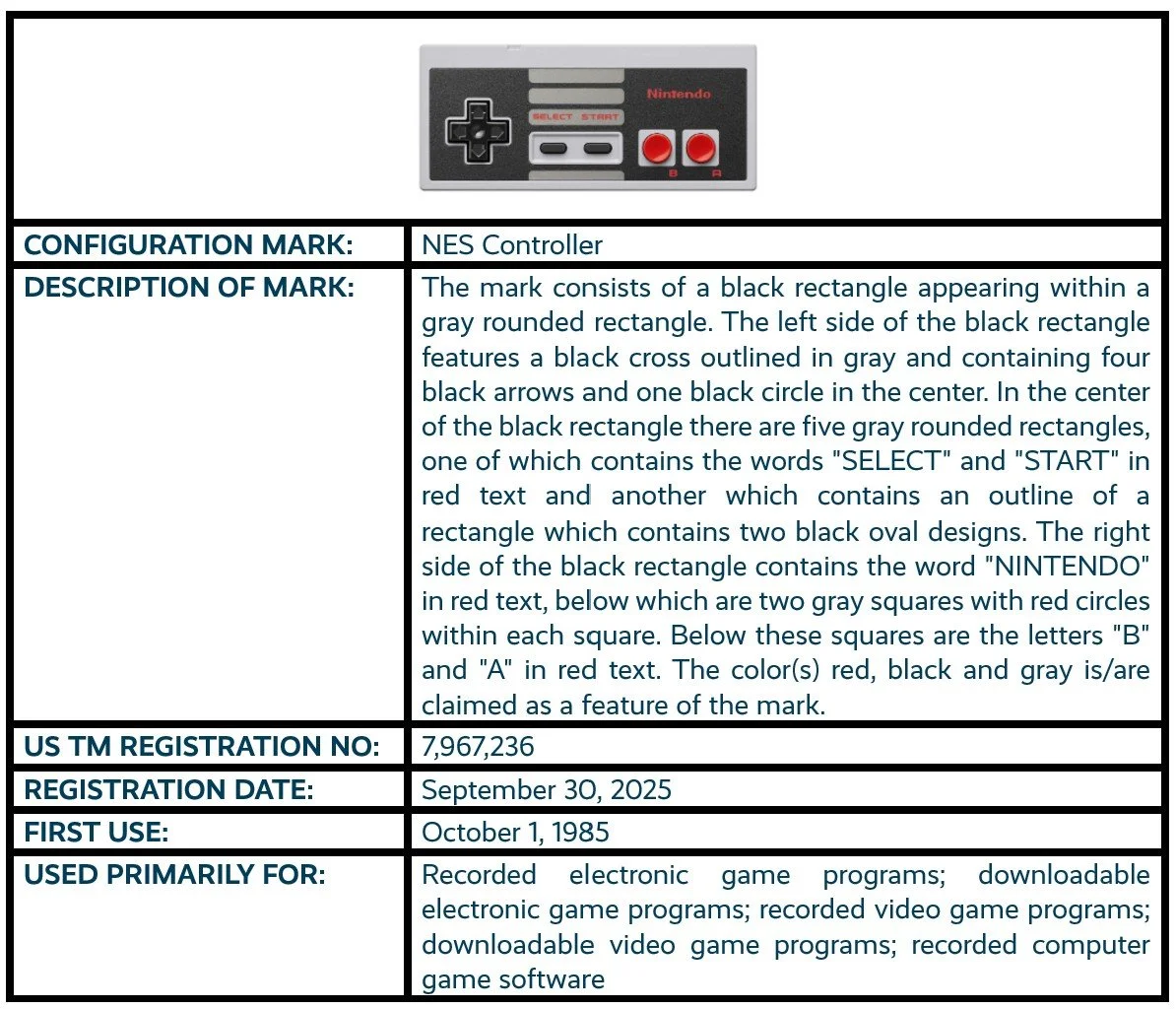
Ok, let’s finally get to what you have been waiting to learn about. Nintendo owns a number of non-traditional trademark registrations for its home console controllers. The NES Controller [3], SNES Controller [4], N64 Controller [5], Wii Mote [6], and Wii Nunchuck [7] configuration marks are all registered trademarks for a variety of goods, and primarily for electronic game controllers for video game machines. Let’s check each one out!
Copyright © 2026 by Illustrated IP, LLC. All rights reserved.
[1] Nintendo of America, https://www.nintendo.com/us/.
[2] Every Nintendo Console: A Full History of Release Dates, IGN, last updated June 5, 2025, and available at https://www.ign.com/articles/all-nintendo-console-release-dates-in-order; Nintendo game consoles timeline, OFFICE TIMELINE, posted March 24, 2017, and available at https://www.officetimeline.com/blog/nintendo-game-consoles-timeline; List of Nintendo systems, NINTENDO WIKI, available at https://nintendo.fandom.com/wiki/List_of_Nintendo_systems; History of Nintendo Consoles From the Arcade to the Switch OLED, RECORD HEAD, available at https://recordhead.biz/history-of-nintendo-consoles/.
[3] USPTO, U.S. Trademark Registration No. 7,967,236, available at http://tsdr.uspto.gov/#caseNumber=99003037&caseSearchType=US_APPLICATION&caseType=DEFAULT&searchType=statusSearch.
[4] USPTO, U.S. Trademark Registration No. 6,093,530, available at https://tsdr.uspto.gov/#caseNumber=88168023&caseSearchType=US_APPLICATION&caseType=DEFAULT&searchType=statusSearch.
[5] USPTO, U.S. Trademark Registration No. 5,609,613, available at https://tsdr.uspto.gov/#caseNumber=87563819&caseSearchType=US_APPLICATION&caseType=DEFAULT&searchType=statusSearch.
[6] USPTO, U.S. Trademark Registration No. 3,671,366, available at https://tsdr.uspto.gov/#caseNumber=77039102&caseSearchType=US_APPLICATION&caseType=DEFAULT&searchType=statusSearch.
[7] USPTO, U.S. Trademark Registration No. 3,671,365, available at https://tsdr.uspto.gov/#caseNumber=77039097&caseSearchType=US_APPLICATION&caseType=DEFAULT&searchType=statusSearch.